
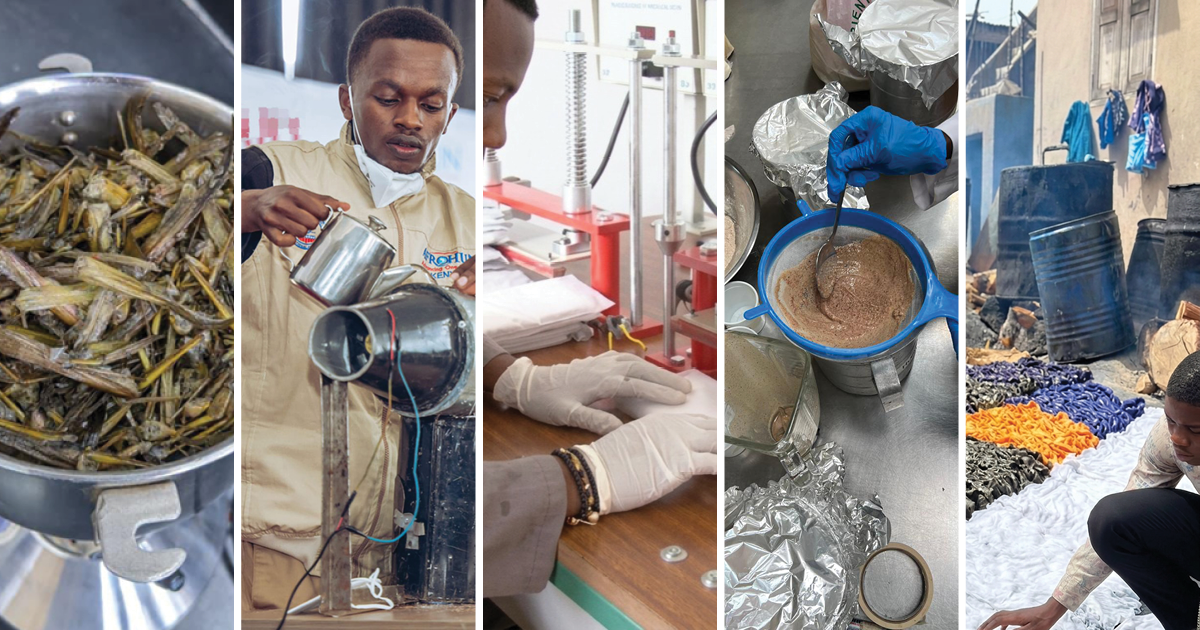
After months of research, learning, and experimentation, five groups of collaborative student problem solvers have emerged from an initial field of 87 teams to be named finalists in Wege Prize 2026.
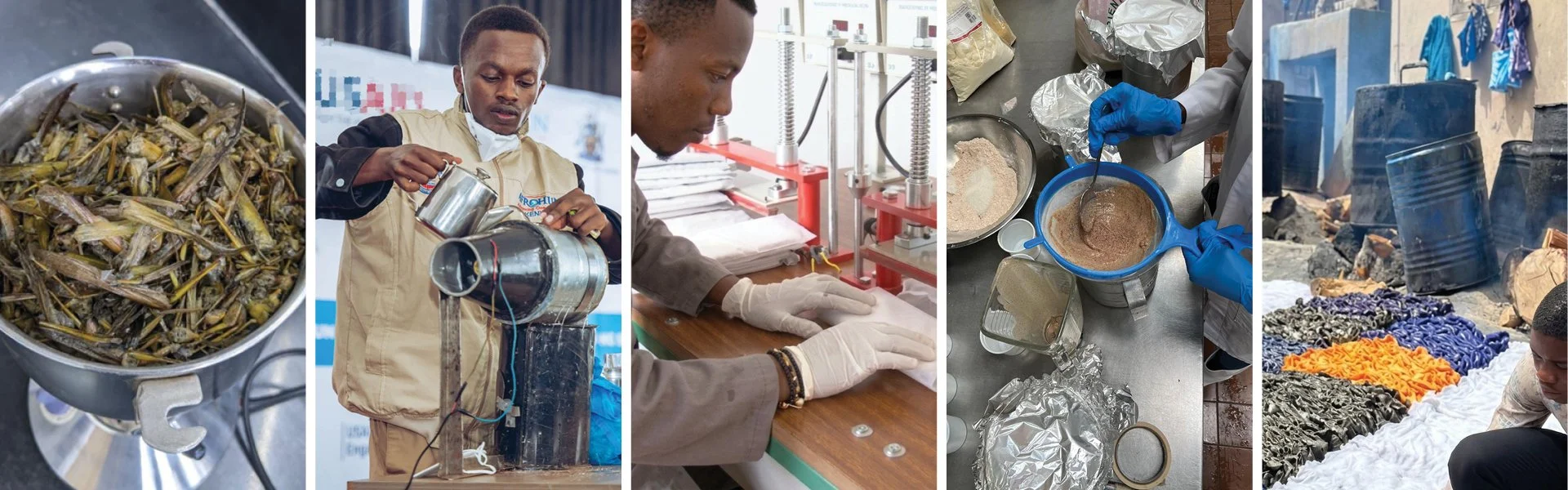
Wege Prize, the competition organized by Michigan-based Ferris State University’s Kendall College of Art and Design (KCAD), is again challenging college/university teams to collaboratively solve complex, systems-level problems by developing products, services, and business models based on the three core principles of the circular economy: eliminating waste and pollution, keeping products and materials in circulation, and regenerating natural systems.
Supported by in-depth feedback from Wege Prize judges, this year’s five finalist teams have grown their solutions from rough concepts to fully-fledged frameworks through each phase of the competition’s iterative process. On May 15, they’ll present their refined projects to the judges live on stage at the 2026 Wege Prize Awards, where $65,000 USD in cash prizes will be awarded to the ideas that inspire the greatest hope for real-world success.
SPOTLIGHT ON: EMERGING AFRICAN ENTREPRENEURS
Wege Prize 2026 is the first year in the competition’s 13-year history that all finalist teams have hailed from Africa. That’s a reflection of the continent’s booming movement to embrace the value of waste and reimagine production/consumption dynamics through the lens of the circular economy—as well as the passion, commitment, and collective spirit of young African entrepreneurs who have cultivated a mindset of cooperative disruption and changemaking.
All five teams are leaning into the continent’s fast-growing waste management market, valued at $21.7 billion in 2025 and expanding by nearly 5% annually. African economies are increasingly being reshaped by startups turning plastics, organics, e-waste and other waste streams into value streams that lower costs, generate jobs, reduce emissions, and create circular supply chains that strengthen local economies. That’s fertile soil for start-ups, with small and medium enterprises representing more than 50% of Africa's GDP and 70–80% of employment across the continent in 2024 and 2025.
EMPOWERING THE NEXT GENERATION OF WICKED PROBLEM SOLVERS
In tackling multiple problems that intersect and inform one another, Wege Prize 2026 finalists are illustrating exactly what makes layered, complex systemic problems so resistant to solution—and also how working across boundaries and involving diverse perspectives in the process is the key to doing so.
Beyond their ideas themselves, these finalist teams have honed strategies, frameworks, and overarching mindset focused on embracing a collaborative, cooperative approach to solving wicked problems that they’ll carry with them wherever their education and careers lead them next—helping power a much needed sea-change as we face ever-increasing challenges on a global scale.
On the ever-critical topic of food security, for instance, The World Economic Forum recently highlighted how circular economy models rooted in strong cooperative partnerships can help Africa—and in turn, the world—overcome persistent food security issues.
LOCAL RESOURCES, GLOBAL IMPACT
Each Wege Prize 2026 finalist team roots its solution in materials and infrastructure that already exist in the communities they serve, yet has a clear understanding of the potential to scale it up to other parts of Africa and beyond. And at the heart of each solution is more than a desire to bring a successful product/service/business to market—it’s also about improving the communities in which the solution exists.
New research from Charles Darwin University shows how circular economy initiatives like the ones these finalists are proposing can support community development by creating jobs, improving public health, and fostering social inclusion, resilience, empowerment, and equity.
MEET THE TEAMS
AGRI NOVA

Allen Batoni
Conservation Agriculture
Rwanda Institute For Conservation Agriculture
Rwanda
U
Arnauld Nduwayo Cyuzuzo
Conservation Agriculture
Rwanda Institute For Conservation Agriculture
Rwanda
U
Grace Mushimiyimana
Electronics and Telecommunication Engineering
University of Rwanda
Rwanda
U
Acsah Nsabayesu Nitabara
Entrepreneurial Leadership
African Leadership University
Rwanda
U
Heritier Gitego Sewineza
Architecture
University of Rwanda
Rwanda
U
What they're working on:
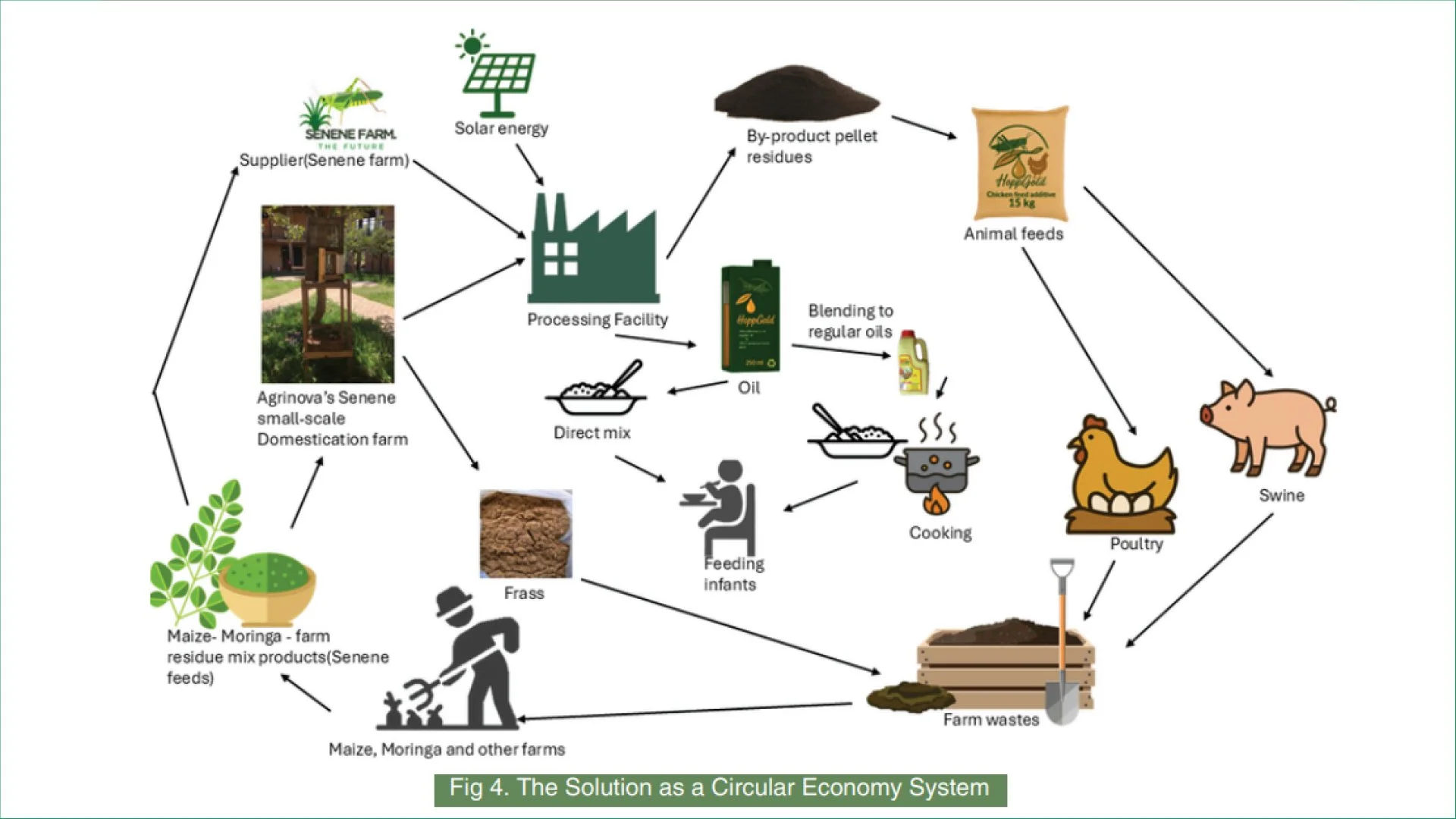
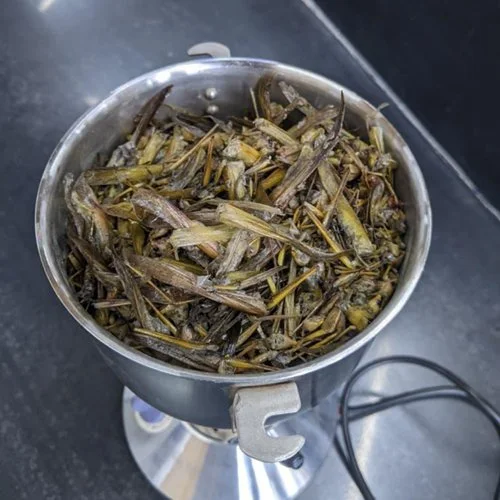
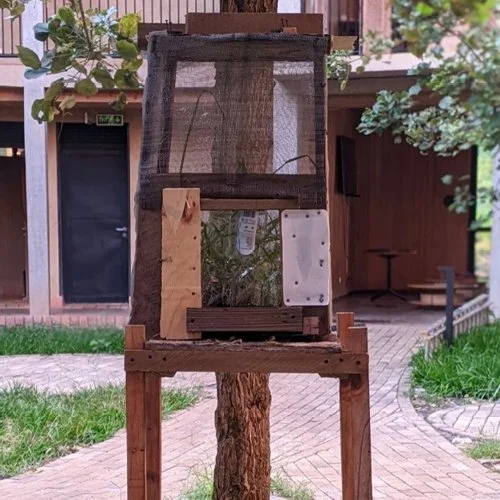
Agri Nova is developing HoppGold, a sustainable grasshopper rearing and oil production operation that delivers a critical response to the escalating malnutrition crisis affecting vulnerable infants.
By leveraging an underutilized, nearly endangered grasshopper species to create nutrient-rich oil high in omega-3 and omega-6 fatty acids, the team is working to provide widespread and affordable access to essential nutrients that are scarce in most diets.
ECOSCRUBBER

Franklin Mwendwa
Public Health
Mount Kenya University
Kenya
U
Rhodae Chinyere
Public Health
Mount Kenya University
Kenya
U
Wesley Njenga
Environmental Health
Mount Kenya University
Kenya
U
Elijah Maina
Environmental Health
Mount Kenya University
Kenya
U
Shadrach Mumo
Automotive Engineering
Kabete National Polytechnic
Kenya
U
What they're working on:
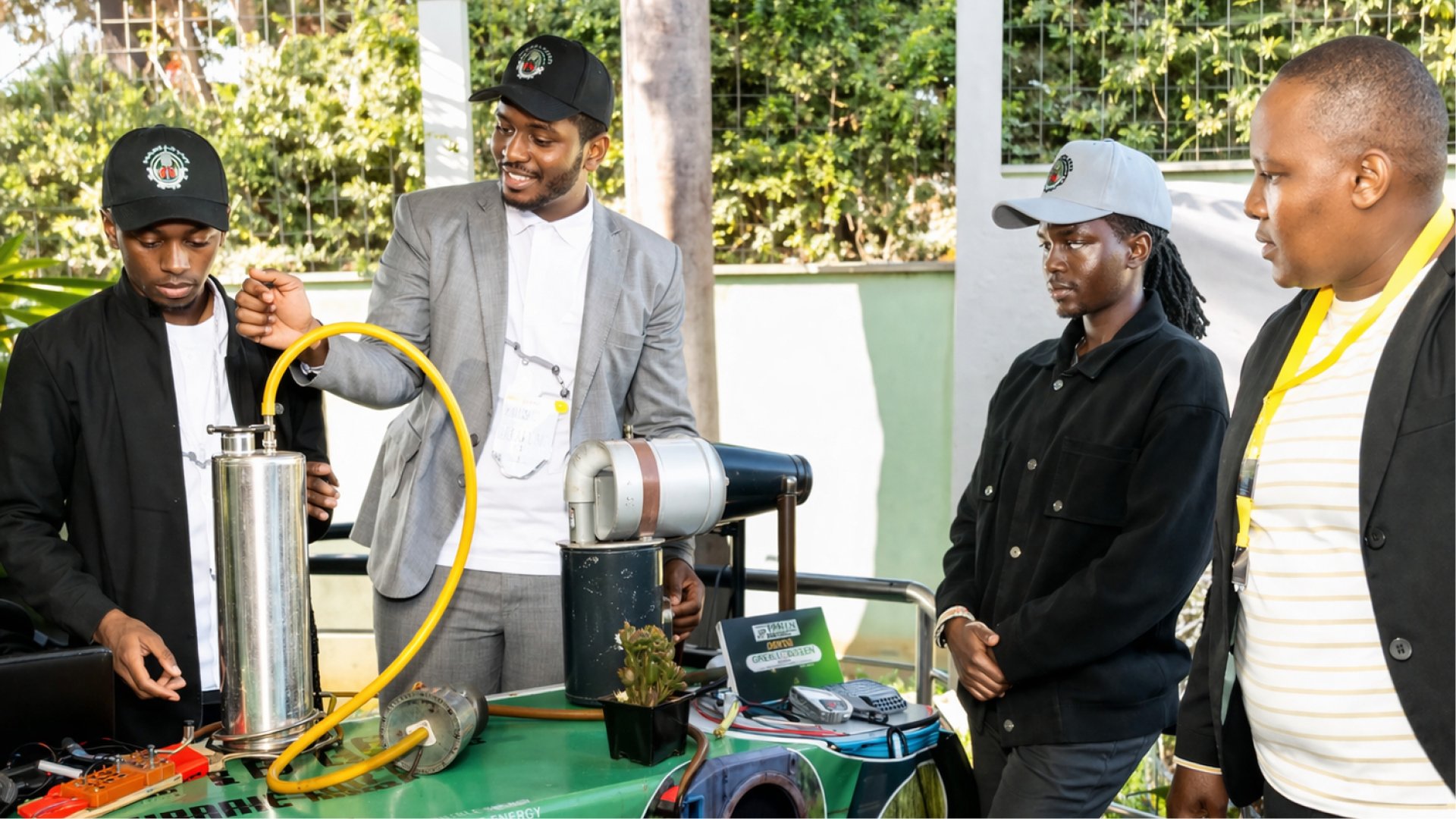
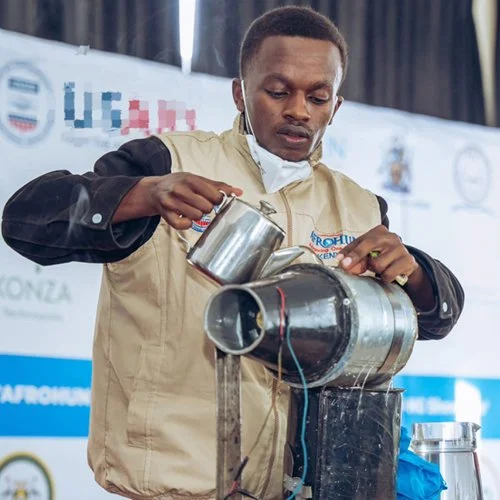
EcoScrubber is developing a hybrid emission control and carbon-capture system designed to eliminate toxic pollutants and greenhouse gases from incinerators while transforming captured residues into valuable construction material.
The system offers healthcare facilities, industries, and municipalities an affordable, locally engineered pathway to cleaner air and a circular, sustainable future by integrating dry and wet scrubbing chambers with circular material recovery.
Unlike conventional systems that focus solely on emission reduction, EcoScrubber is intentionally designed for material recovery, with captured particulate and neutralized residues proposed to be repurposed as construction-grade additives for concrete blocks, cement blends, and other building materials.
EGRET PADS

Daniel Nzasabamungu
Business Management
Kepler College
Rwanda
U
Bertin Singizwa Ndahayo
Information Technology
Carnegie Mellon University Africa
Rwanda
U
Gloria Igisubizo
Project Management
Kepler College
Rwanda
U
Danmark Sinayobye
Civil Engineering
Muhabura Integrated Polytechnic College
Rwanda
U
Devotha Ishimwe
Conservation Agriculture
Rwanda Institute for Conservation Agriculture
Rwanda
U
What they're working on:
In Rwanda, menstrual health inequity and unmanaged agricultural waste intersect to keep girls out of school, burden women, and pollute the environment.
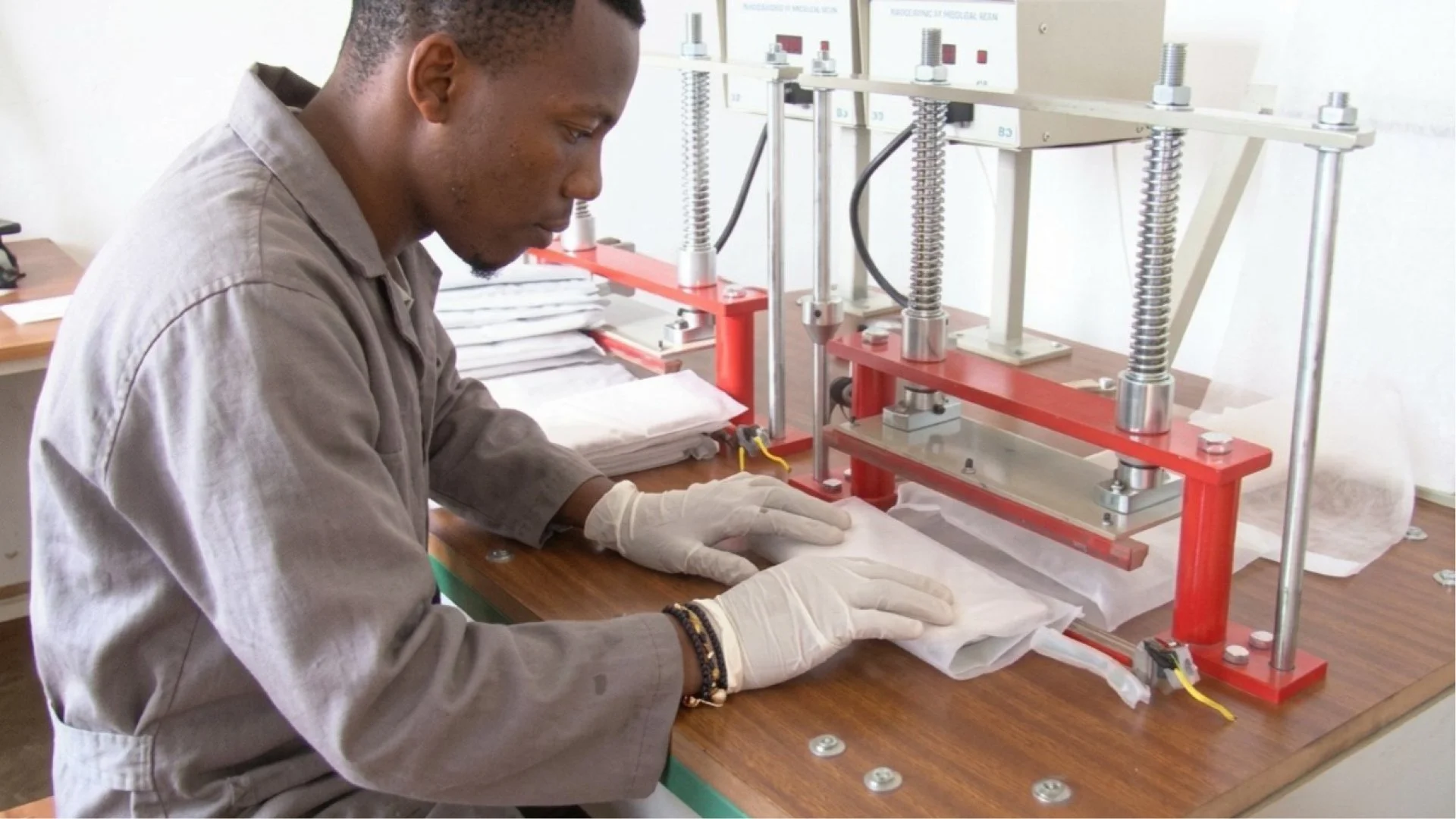
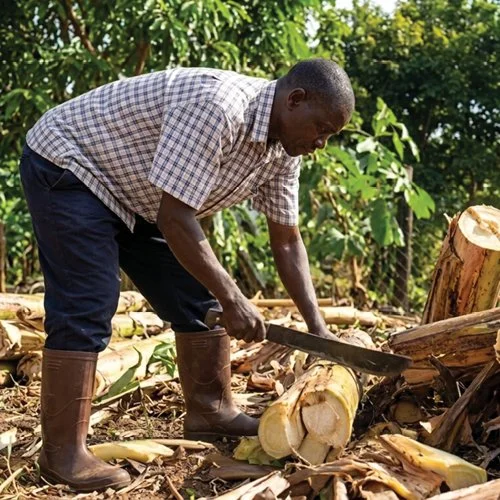
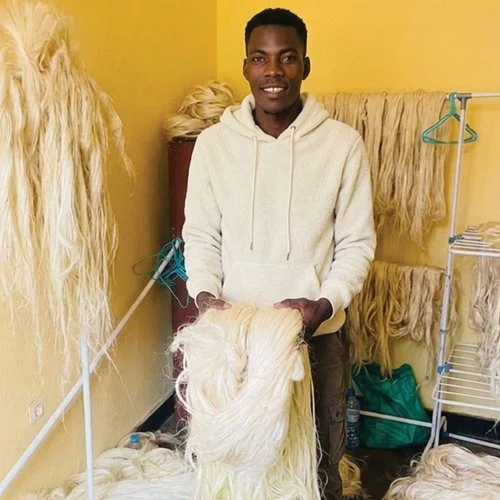
Egret Pads addresses this challenge by transforming locally abundant banana pseudostems into affordable, biodegradable sanitary pads for girls and women in low-resource communities, creating dignified menstrual access while advancing a circular system that empowers women, supports farmers, and returns used materials back to the soil as fertilizer.
NUTRI-MÁS

Isabella Aloyo Alex
International Relations
United States International University – Africa
Kenya
U
Ajak Daniel Garang
Business Information Technology
Mount Kenya University
Kenya
U
Angelina Wel Wech
Agriculture Sciences
EARTH University
Costa Rica
U
Awal Madol Anyang
International Business Administration
United States International University – Africa
Kenya
U
Achut Daniel Garang
International Studies
University of Nairobi
Kenya
U
What they're working on:
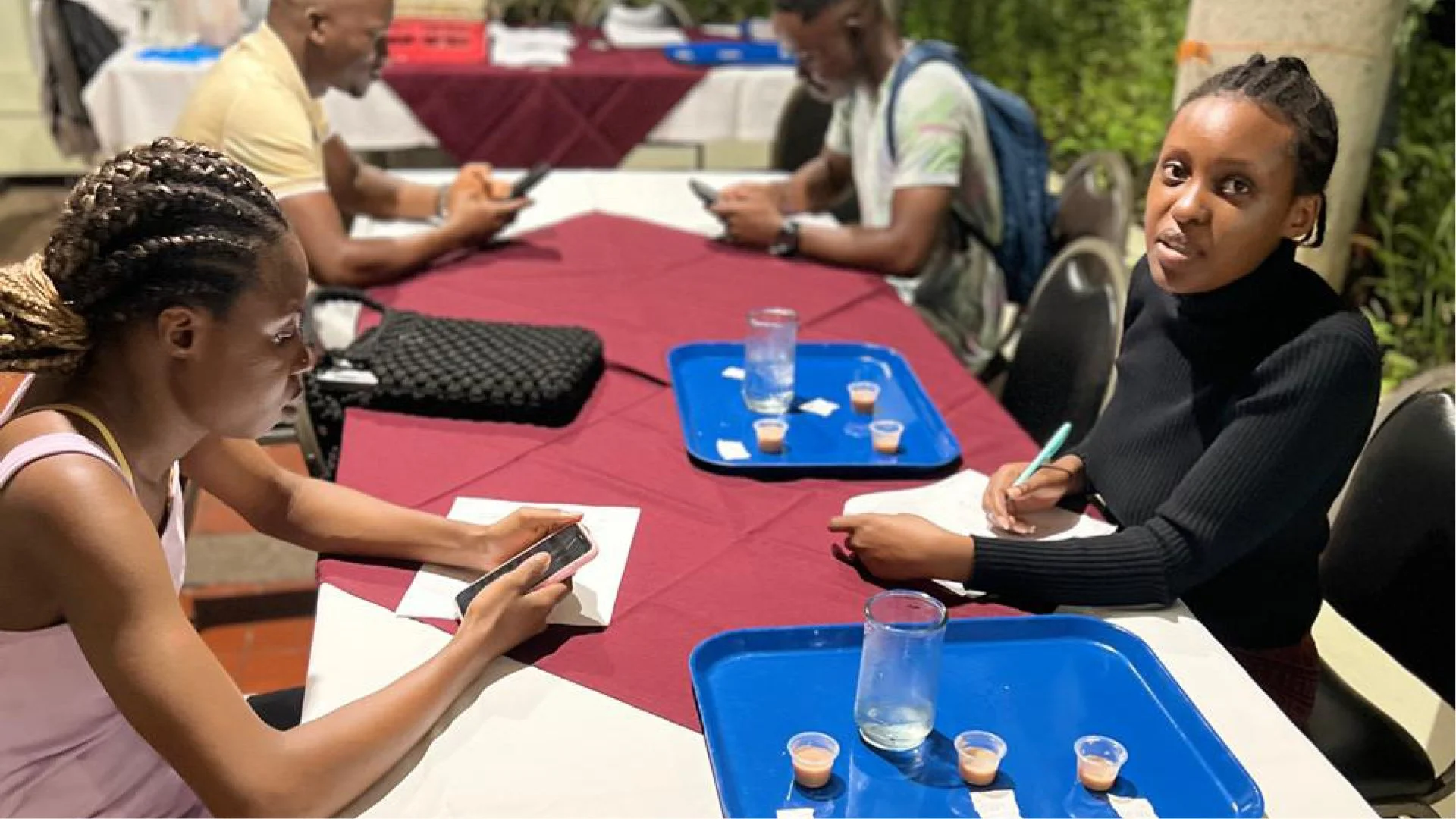
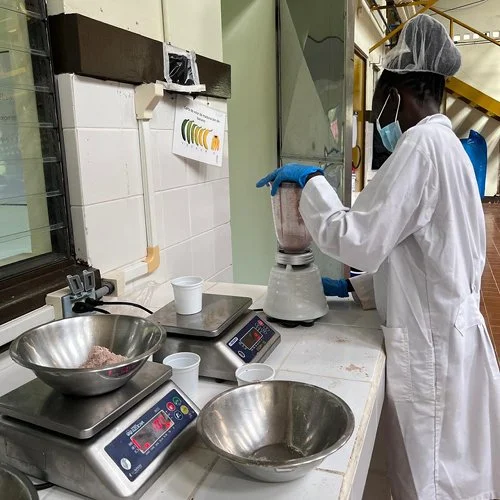
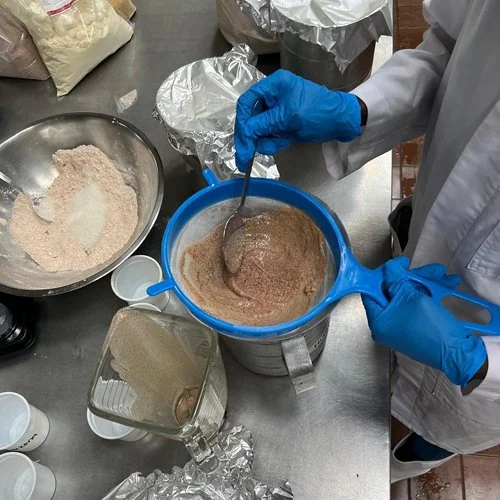
Nutri-Más blends locally grown sorghum, maize, and groundnuts with repurposed whey to create a nutrient-dense composite flour that improves protein and micronutrient intake for children facing malnutrition in Bor, South Sudan. Whey—which is typically discarded by dairy producers and contributes to water contamination—is transformed into a high-quality protein ingredient, closing a critical waste loop.
By strengthening the nutritional value of a familiar staple food while productively using agricultural and dairy by-products, Nutri-Más addresses the country's 36% child stunting rate and reduces environmental pollution from unmanaged dairy waste.
UNITHREAD ECOHUSK

Emmanuel Beyamu
Actuarial Science
University of Malawi
Malawi
U
Oluwatayo Micheal Ayodele
Physiotherapy
University of Medical Sciences Ondo
Nigeria
U
Boluwatife Blessing Ajewole
Physiotherapy
University of Medical Sciences Ondo
Nigeria
U
Bello Adeoye Abdullahi
Electrical Engineering
Ladoke Akintola University of Technology
Nigeria
U
Taiwo Temitayo Amoo
Mechanical Engineering
Ladoke Akintola University of Technology
Nigeria
U
What they're working on:
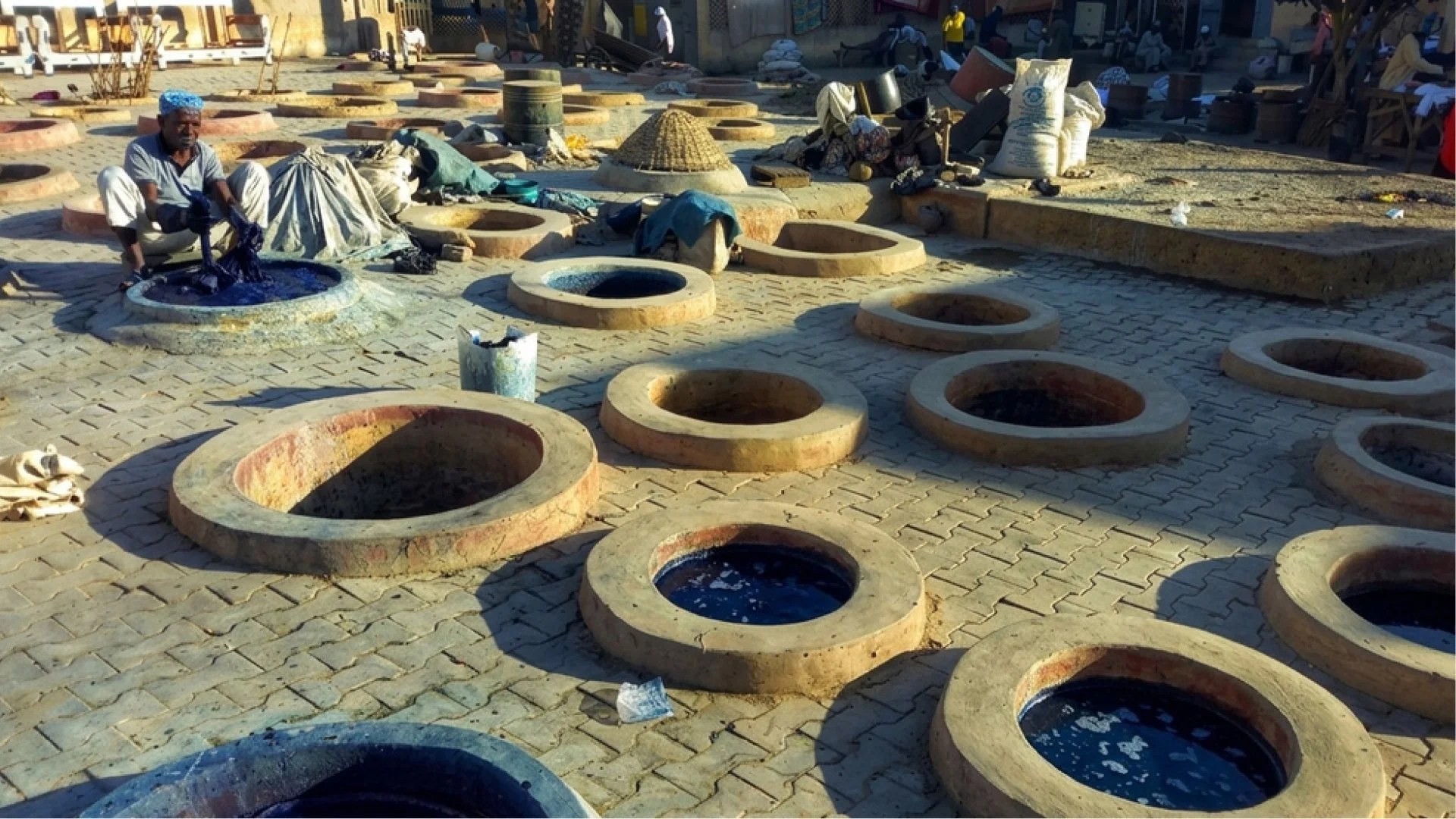
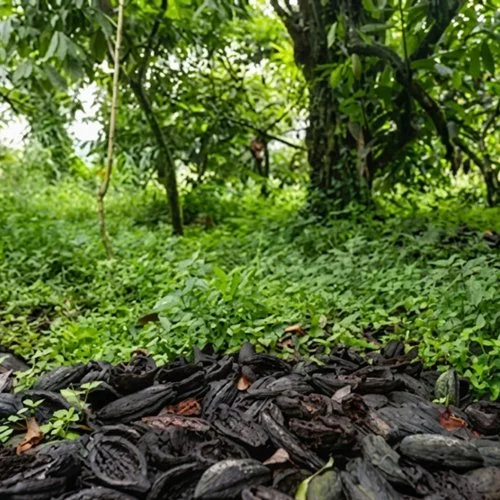
Two waste streams shape daily life across cocoa-growing regions of West Africa: husks that accumulate after harvest and are often burned or left unmanaged, and dye wastewater that flows untreated from textile pits into nearby rivers, degrading air and water quality.
Rather than addressing them separately, UniThread EcoHusk connects them through a refill-based circular system that converts discarded cocoa husks into activated charcoal for dye filtration and returns stabilized biochar to farms—embedding circular recovery into existing local infrastructure while reducing emissions, cleaning waterways, and restoring soil health.
2026 WEGE PRIZE AWARDS
Friday, May 15, 2026
10 AM - 3 PM Eastern Daylight Time
Ferris State University’s Kendall College of Art and Design
Grand Rapids, Michigan, United States
RSVP TO ATTEND
For those unable to attend in-person, the event will be streamed live at wegeprize.org.